The 18-Month Countdown: Why AI Automation Predictions Keep Missing the Mark
In a statement that sent ripples across the professional world, Microsoft AI CEO Mustafa Suleyman recently predicted that artificial intelligence will achieve “human-level performance on most, if not all professional tasks” within the next 12 to 18 months . He named professions like accounting, law, marketing, and even project management as fully automatable. This isn't the first time a tech leader has sounded the alarm; similar forecasts of mass job displacement have come from the CEOs of Anthropic, Ford, and SpaceX .
These bold proclamations create a sense of urgency, prompting many white-collar workers to question their career longevity. The narrative is compelling: intelligent machines are coming for our jobs, and soon. But a closer look at the data and the real-world impact of AI reveals a more complex and less alarming picture. There appears to be a significant gap between the dramatic predictions of tech executives and the current reality of workplace automation.
The Reality Gap: Hype vs. Tangible Impact
Despite the hype, the widespread economic disruption promised by AI has yet to materialize. Research from Apollo Global Management found that while Big Tech has seen profit margins soar, the broader market has experienced almost no change, suggesting AI's financial benefits remain largely confined to the tech sector itself . Furthermore, the promised productivity boom is proving elusive. One study from METR, a nonprofit research group, found that AI tools actually made software developers less productive, increasing the time it took to complete tasks by 20% .
This disconnect between prediction and reality is causing real-world consequences. Fearing for their future, some professionals are making drastic career changes. A recent article in The Guardian profiled several individuals who have abandoned their white-collar careers in fields like writing and health and safety to retrain in manual trades, often accepting lower pay and more physically demanding work in the process . They are making life-altering decisions based on a future that may not unfold as predicted.
Transformation, Not Elimination: The Case of Project Management
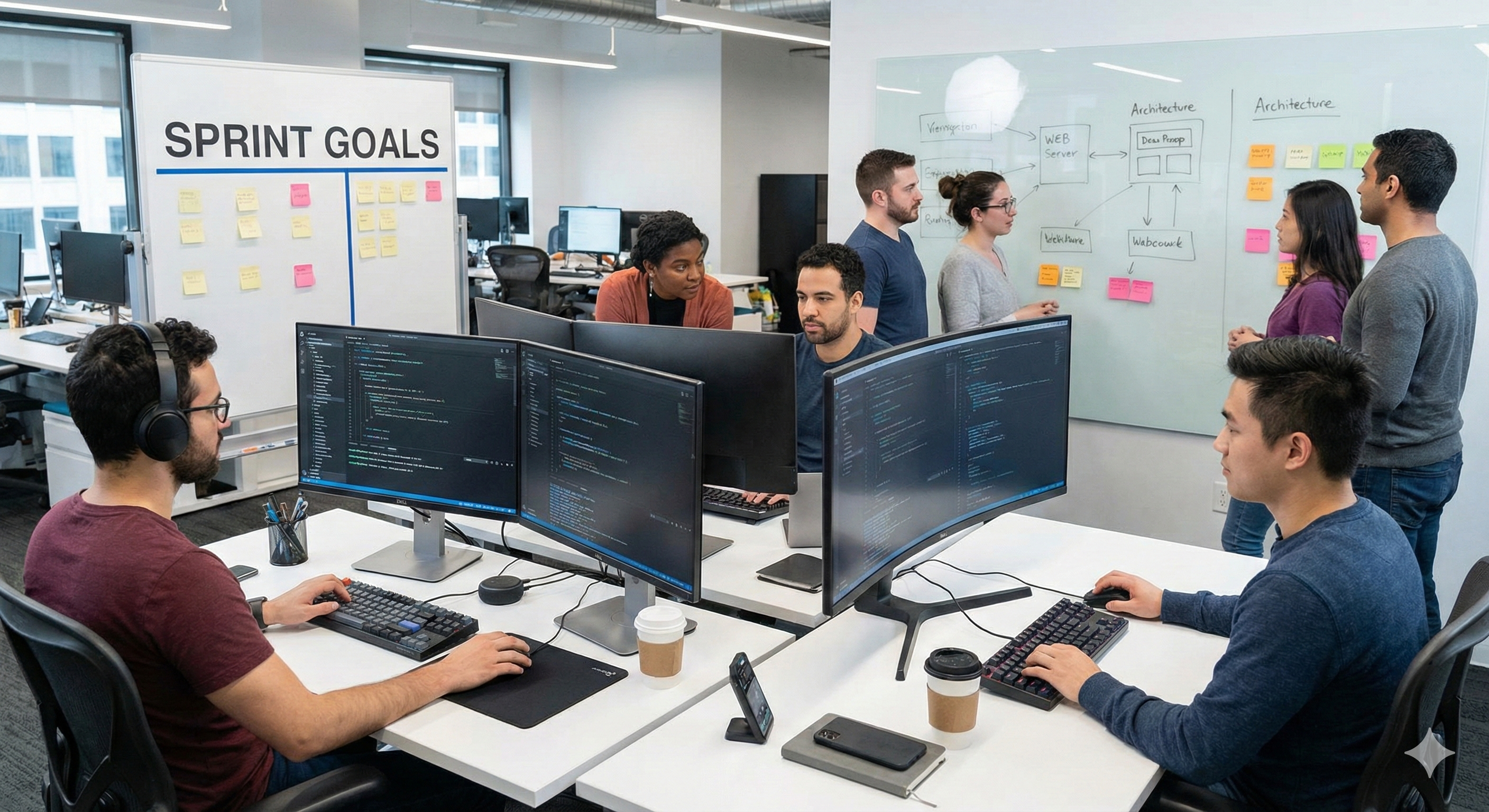
Instead of outright replacement, AI is more likely to transform knowledge-based professions. Project management serves as an excellent case study. While Suleyman listed it as a vulnerable field, experts in the industry see a different future. Steven DelGrosso, a project management expert at NC State University, argues that AI will expand, not reduce, the role of project managers .
By automating administrative duties like scheduling, tracking, and reporting, AI can free up project managers to focus on higher-value strategic work. “With AI augmenting human decision-making...PMs will have more time to focus on strategy development, stakeholder engagement and business-value issues,” DelGrosso explains . The role will shift from task administration to strategic leadership, requiring a greater emphasis on uniquely human skills.
Skills AI Can Automate | Skills AI Cannot Replace |
Scheduling and Tracking | Strategic Thinking & Alignment |
Data Analysis & Reporting | Conflict Resolution & Negotiation |
Resource Allocation | Ethical Oversight & Judgment |
Routine Communication | Emotional Intelligence & Empathy |
As the table above illustrates, the skills that are most resilient to automation are those rooted in human interaction, critical thinking, and emotional intelligence. Leading teams through change, navigating complex stakeholder relationships, and making nuanced ethical judgments are tasks where humans still far outperform machines.
A Call for Nuance
The narrative of mass AI-driven unemployment is a powerful one, but it oversimplifies a complex reality. While some jobs, particularly at the entry-level, are being displaced, the broader trend appears to be one of transformation, not elimination. The predictions of tech leaders, who have a vested interest in promoting their technology, should be viewed with a healthy dose of skepticism.
Rather than panicking, professionals should focus on cultivating the skills that AI cannot replicate. The future of work will likely be a partnership between humans and machines, where technology handles the routine and humans provide the strategy, creativity, and empathy. The 18-month countdown may be ticking, but it is likely a countdown to a new way of working, not the end of white-collar work as we know it.